This Permanent Underclass Argument Is Bullshit
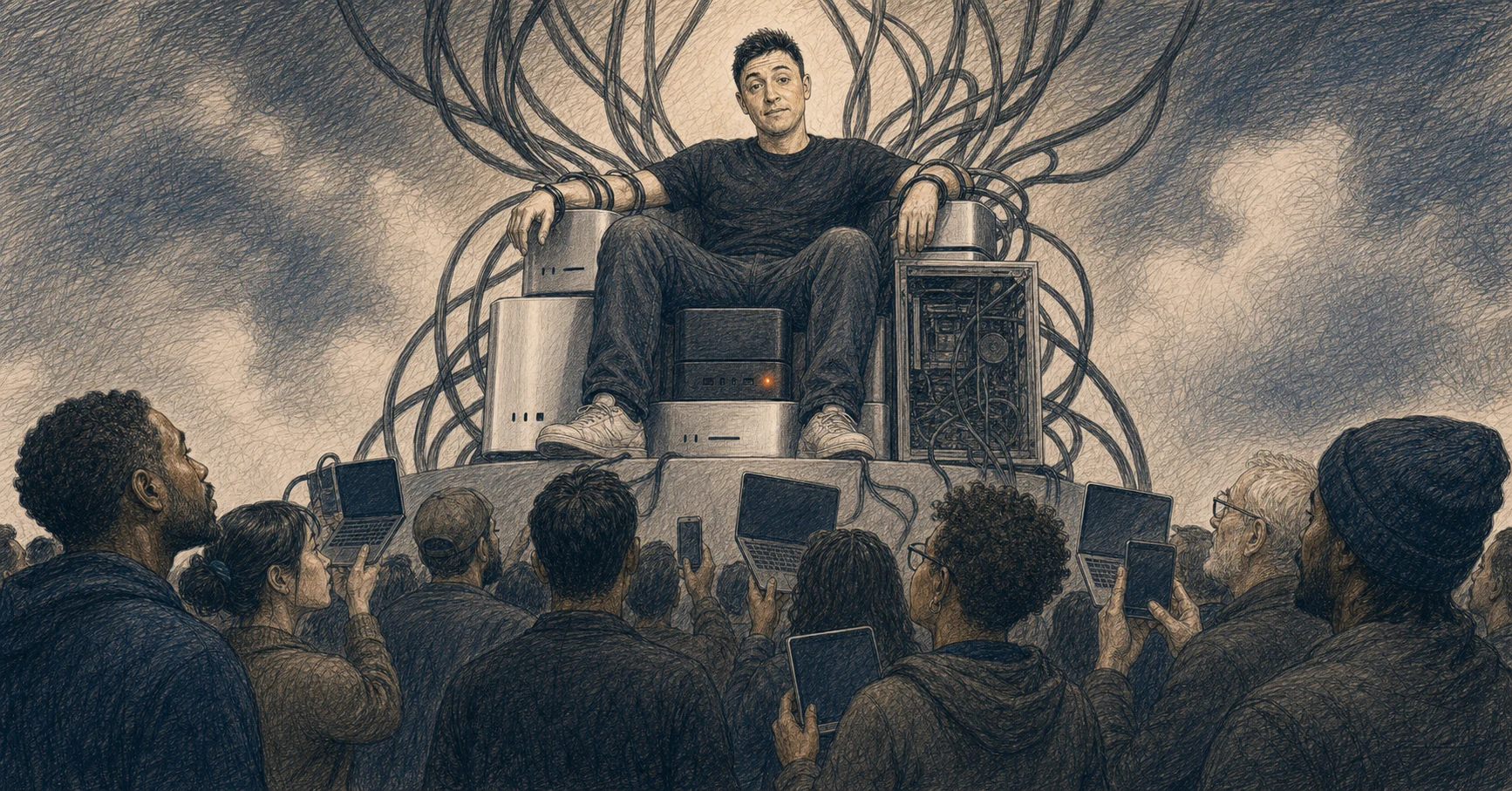
In February, Alex Finn published an article with a useful lack of ambiguity. Within twelve months, he wrote, everyone would fall into one of two groups: a permanent underclass or a permanent overclass. People who failed to adopt AI would eventually have “zero economic power.” Companies would stop hiring them. The people on the other side would use AI to automate their lives, have a super intelligence guiding all their decisions, earn money continuously, and build an advantage nobody could take away.
The escape plan was equally direct. Use the latest AI tools for at least an hour every day. Install OpenClaw. Talk to the newest Claude model. Build apps with the newest coding model. Experiment with a local model, even if all you have is a Mac mini.
Then, at the bottom of the article, Finn invited readers to join his paid Vibe Coding Academy.
The road out of the permanent underclass, it turned out, had a checkout page.
Finn isn't an idiot. He uses these tools far beyond the average ChatGPT subscriber. In a July interview, he described his setup: three high-end Mac Studios, an Nvidia AI computer, and a custom machine built around an expensive graphics card. The computers run AI workloads around the clock. When the obvious objection came up—why buy a $10,000 computer instead of paying $20 a month for ChatGPT?—Finn argued that unlimited local AI opened enough new possibilities to justify the cost.
That may be true for him. All that expensive hardware still isn't a mobility plan for everyone else.
AI may put people out of work. It may also widen the gap between people who can afford the best tools and people who can't. Those are real problems. A faster computer won't solve either one.
Who gets the money AI creates? What happens when a company decides it needs fewer people? How do we help someone whose job disappears? None of those problems goes away when someone clicks Buy on a newer computer.
Of course people should learn to use AI. Try the tools. Learn what they do well and where they fail.
But learning is a habit, not a shopping list.
Telling someone who lost a job to buy better hardware and spend an hour a day with the newest model isn't an economic plan. It's a sales pitch pretending to be one.
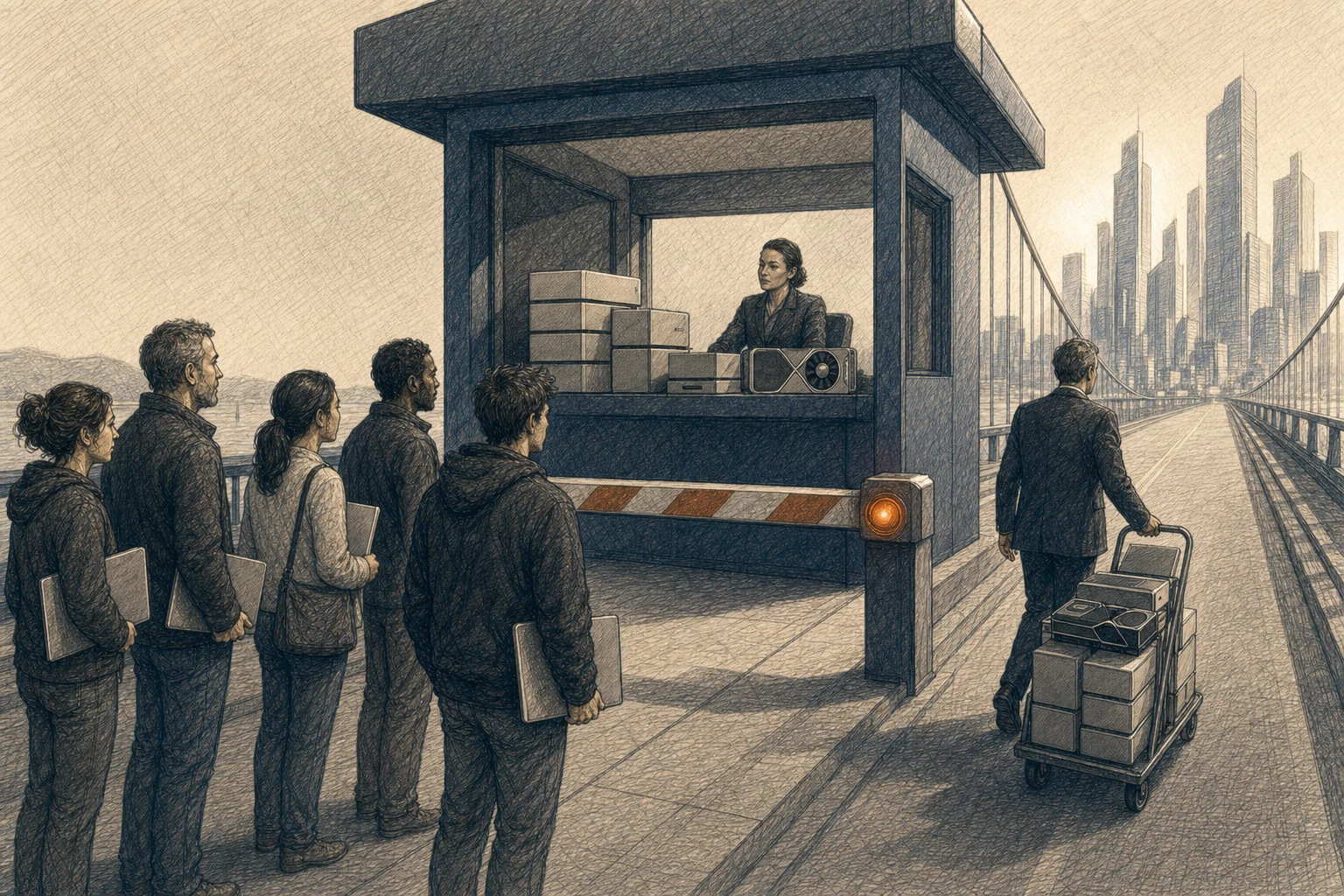
The strangest word in Finn's argument is permanent. In February, his must-use list included OpenClaw, Claude Opus 4.6, Codex 5.3 Spark, and a local model. A week later, he was already writing about another model, one he said was no longer at the frontier. (Permanence, apparently, has a short shelf life.)
By July, the model names had changed again. Finn's hardware setup had grown. Then he said ChatGPT Voice had changed his work more than any AI tool before it.
Today's breakthrough becomes tomorrow's basic feature. The tool may still be useful, but owning it no longer puts you ahead.
The products change. The rhetoric never does. There's always another model or machine you're told you need to stay ahead.
But you can't build a permanent class system around products whose names change by summer. If staying ahead means buying whatever comes next, what does moving forward actually mean?
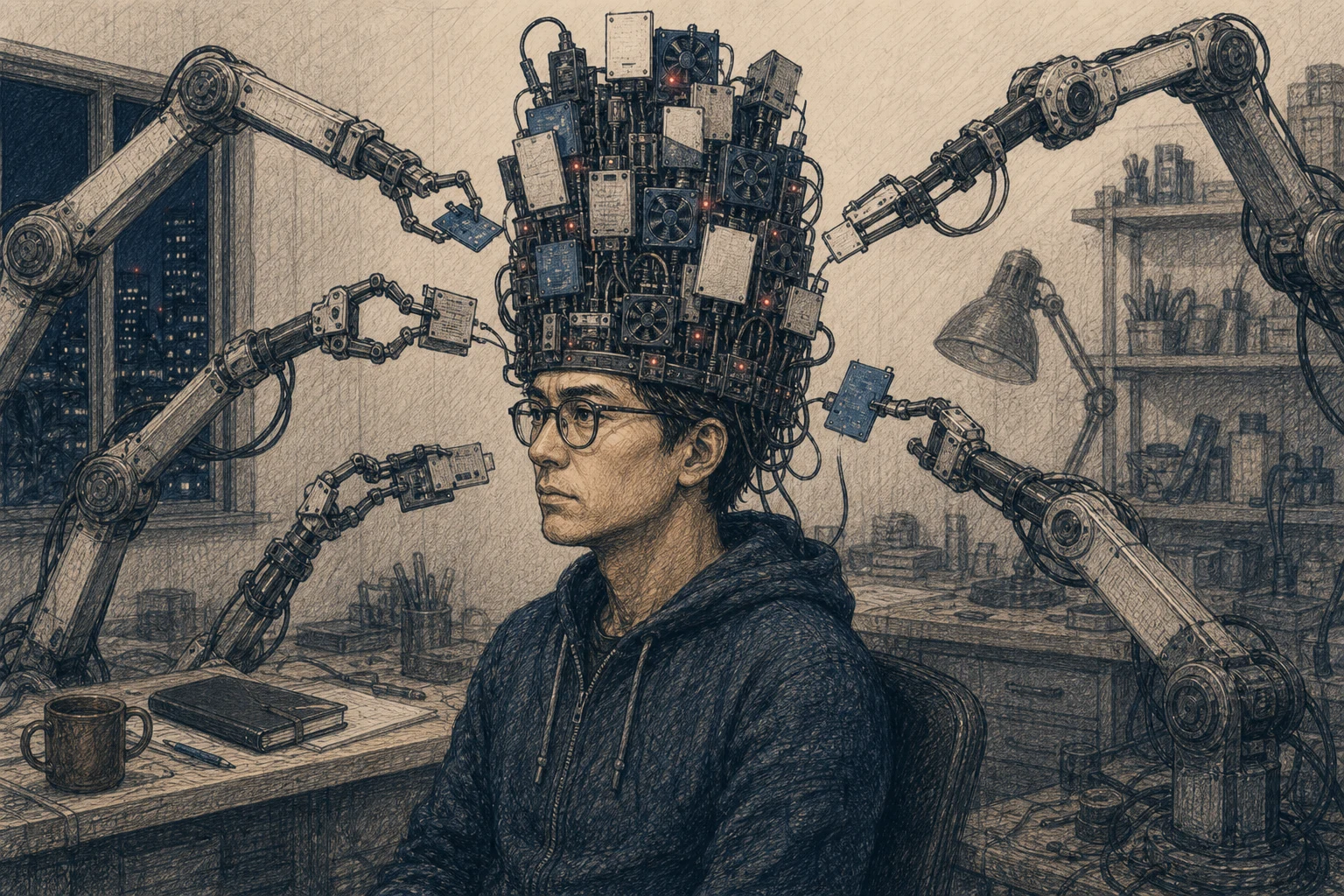
Moving forward still takes judgment. (That part doesn't come with the subscription.) You have to know what to ask, notice when an answer is weak, and decide what's worth making.
Too much trust can get in the way. In a Microsoft study of 319 people who use AI at work, the more people trusted the tool, the less they said they checked and thought through its work.
Science journalists in another study drew a line around the work they wanted to keep doing themselves. They wanted AI finding information and giving feedback, not choosing the story or writing in their voice.
AI can help you think, or it can do the thinking for you. You can use it to test your judgment on one task and surrender it on the next… all before lunch.
You can keep up with every new model and still fall behind. It happens when you stop asking your own questions, stop checking the answers, and stop deciding what's worth making.
You don't escape dependence by renting a more powerful dependency.
Finn's machines are impressive. In his telling, they're always on, always burning tokens. Four build the same product together. A fifth checks their work, and rewrites their memories when they get it wrong. Put the class prophecy aside and look at that setup.
The machines never stop producing. If they make every decision for you, the overclass is just the underclass with better computers.